Most children who fall behind are not short on ability. They are short on clarity. They cannot tell what the task is asking, where to start, or what good work looks like.
Kirsty did not build Mastery Method from a business plan. She built it from a pattern she kept seeing in classrooms and in parent conversations.
Capable children were losing ground. Not because they weren't smart enough, not because they weren't trying, and not because their parents didn't care. They were losing ground because something fundamental was missing between the teaching and the learning, and nobody was naming it.
That something was clarity. The ability to understand what was being asked, break it down, communicate their thinking, and follow through. Without it, even the brightest children stall. And without a way to see it, parents are left guessing.
They could explain an idea perfectly at the kitchen table — then freeze when it was time to put it on paper at school.
They'd hired tutors, bought workbooks, spent hours on homework — and still felt like they were guessing at what their child actually needed.
Weeks of effort undone by a single mark, because the child had no internal sense of whether they were improving.
Parents wanted to help but couldn't decode what the school expected — and felt excluded from the very process they were paying to support.
Tutoring can help when a child has missed content. It does far less when the real problem is how the child is reading the task, using feedback, or getting started. That is where Kirsty kept seeing children unravel.
That is why Mastery Method is built around four pillars: Thinking, Communication, Learning, and Action. They sit underneath every subject and show up in every classroom.
A child avoiding homework might have a motivation problem — or they might not understand the task well enough to start. The Mastery Assessment separates what's visible from what's actually happening.
If the parent can't see what's being worked on or why, support stays fragile. The Teaching Blueprint translates the clarity profile into plain language that a parent can actually use at home.
Thinking helps in Maths and English. Communication helps in Science and HASS. The pillars aren't subject-specific — they're the foundation that makes all subjects more accessible.
The goal is a family that becomes more capable over time, not more reliant on ongoing sessions. The Mastery Pathway is designed so that every month, the parent understands more and the child needs less external support.
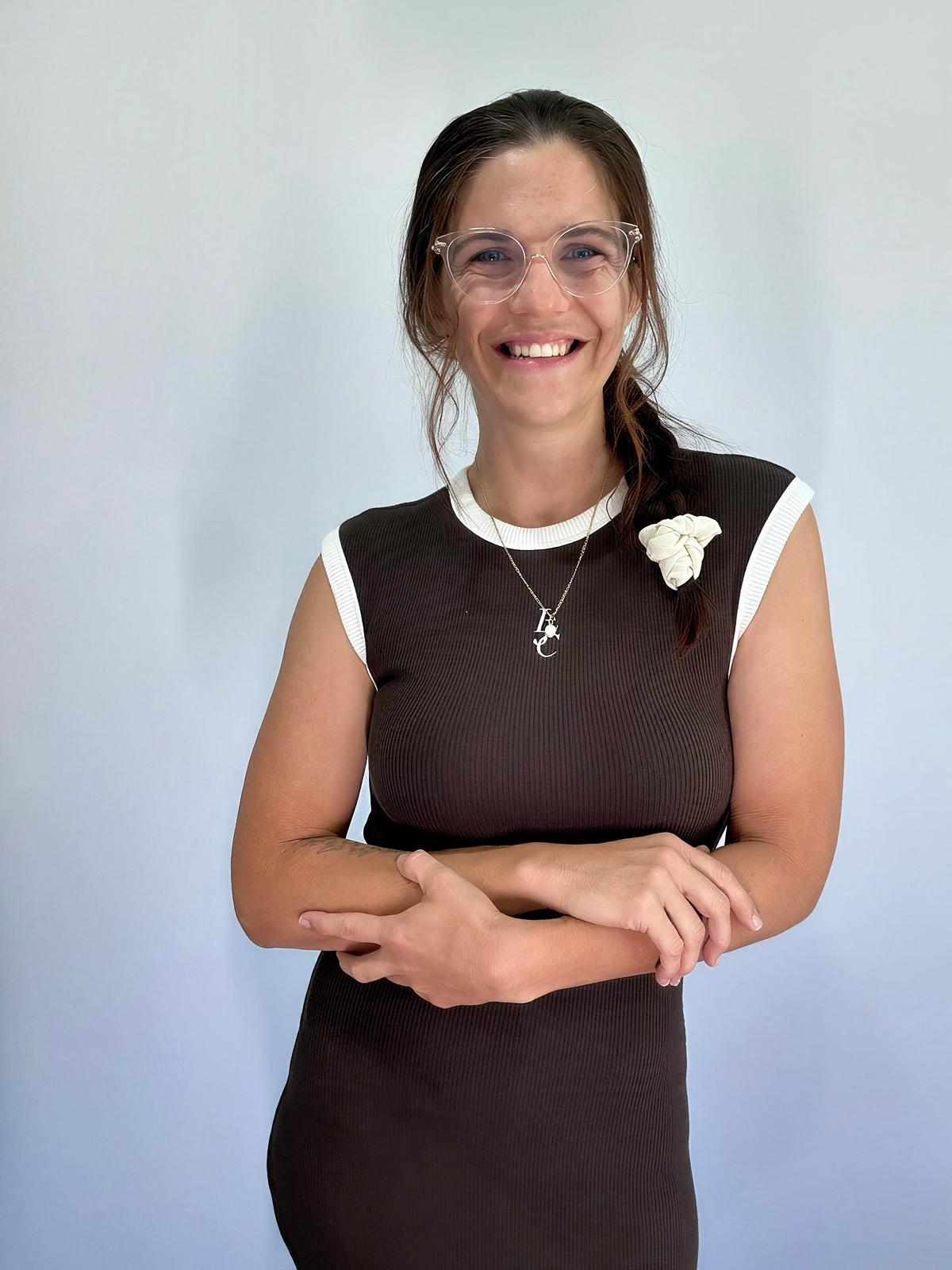
Kirsty is a senior Queensland educator with more than 15 years across early childhood and primary. She kept seeing the same children being read the wrong way: the child who knew the answer but could not get it onto the page, the one who shut down before starting, the one whose confidence fell apart after one correction. She is also a mother, so she knows what it feels like to want to help and still feel shut out of the process.
Mastery Method grew out of that pattern. Children were slipping behind even when ability was not the issue. The issue was clarity: what the task was asking, where to begin, and what good work actually looked like.
Her work with families is practical. She translates school expectations into something a parent can understand and use at home.
Kirsty could have built a tutoring business. She did not, because the usual model leaves the parent outside the work.
A child goes in. A parent waits outside. Then everyone goes home hoping something will stick.
Mastery Method was built to close that gap. Parents can see what is being worked on, why it matters, and how to support it at home. Targeted 1:1 is there when it is needed, but it is not the whole model.
The aim is simple: stronger support now, less dependence later.
A clear path from the first conversation through to guided support at home.
A no-obligation conversation with Kirsty to understand your child's situation and whether Mastery Method is the right fit.
A structured assessment across The Four Pillars. Produces your family's first Teaching Blueprint — a personalised guide to what your child needs and how to help at home.
Monthly blueprint updates, a parent check-in call with Kirsty, weekly home activities, and access to the parent resource library. Ongoing guided support that builds confidence, not dependence.
Teacher-led sessions with your child when specific clarity gaps need focused, expert-led support. Strategic and purposeful — booked when needed.
The first step is a conversation. No commitment. No pressure. Just a clear understanding of where your child is — and how we can help.
Start with a Learning Support Call